
Jezebel
Miss Understood

Have you ever heard of Jezebel? The wicked queen with a penchant for causing chaos and destruction. Well, hold on to your hats because the real story of Jezebel is far more intriguing and multifaceted than the one-dimensional character often portrayed in historical and religious narratives.
Jezebel was a Phoenician princess who married King Ahab of Israel in a strategic political alliance to strengthen ties between their kingdoms. However, this union brought with it a clash of religious beliefs, as Jezebel was a follower of the god Baal. The discord surrounding Jezebel's legacy stems mainly from the religious conflict between the followers of Yahweh, the God of Israel, and the worshippers of Baal. Jezebel's promotion of Baal worship and her efforts to suppress the worship of Yahweh ignited tensions and earned her condemnation in biblical texts.
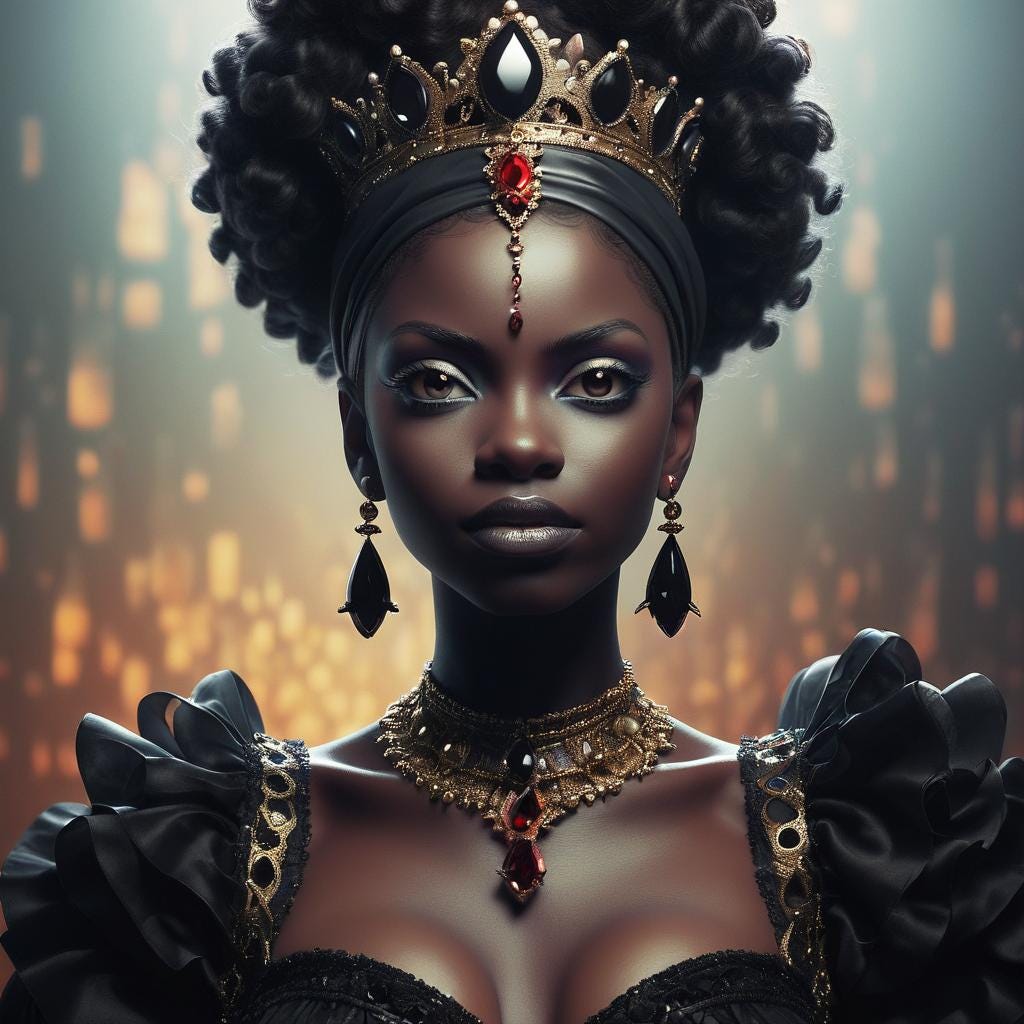
But Jezebel's influence in the political arena cannot be overlooked. As queen, she played an active role in the governance of Israel. Her policies aimed at centralizing power, fostering economic prosperity, and maintaining stability were driven by a desire to strengthen her husband's rule. However, her actions often conflicted with the religious traditions of Israel, exacerbating the negative perception of Jezebel.
Unfortunately, Jezebel's story has been largely overshadowed by misogynistic interpretations that cast her as a seductress and manipulator. These interpretations, influenced by patriarchal perspectives, diminish the agency and complexities of her character, reducing her to a mere archetype of female wickedness.
But all is not lost. In recent years, feminist scholars have sought to reassess Jezebel's story, challenging the traditional narrative that portrays her solely as a villain. These reinterpretations emphasize the patriarchal biases present in historical accounts and highlight the ways in which Jezebel may have been a victim of political and religious struggles beyond her control.
The real story of Jezebel reveals a woman whose life was intertwined with the complexities of political alliances, religious clashes, and the biases of historical narratives. By reexamining her story through diverse lenses, we can appreciate the intricacies of Jezebel's life and challenge the oversimplified characterizations that have endured for centuries.